
How midwives carried a Greater Danville community — and what one faith leader hopes families remember today.
Rev. Dr. Marvin Warner — president of the Danville Ministerial Alliance — was born in Greater Danville's historic Elm Grove community, in the years when the city's hospitals were still segregated. Like most Black children in Greater Danville then, he came into the world at home — delivered by a midwife. “The midwife that delivered me, her name was Joe Lee,” Warner recalls. “She had white hair, and she would sit on her porch.” She lived on South Main Street; years later he would stop and talk with her — “a sweet little lady,” he remembers.
Her work happened in a particular world. Black families in Greater Danville could not be treated at the city's white hospital; when they needed hospital care, they went to Winslow Hospital, named for Dr. Albert Lincoln Winslow, one of the city's pioneering Black physicians, and staffed by Black doctors and nurses. Doctors still made house calls with their black bags. Families leaned on herbal remedies passed down through generations. And midwives like Joe Lee carried much of the community through birth.
When families come to him wondering about a midwife or a home birth, Warner doesn't tell them what to do. He tells them to trust themselves and get informed. “Follow your intuition,” he says. “Do your research. Don't go in blindsided. This is a natural occurrence — babies have been born since, well, we can't count the years.”
He speaks from close experience. His daughter chose to have all five of her children at home — with a midwife, and a water birth for the first. She wanted the experience to be more spiritual — more her own, and more in her control than a hospital offered. “She does her research. She understood about midwives,” Warner says. Would she recommend it to other families? “Oh, absolutely.” Finding a midwife, he notes, wasn't easy — a reminder of how much has been lost.
His counsel isn't against hospitals — it's for informed choice. “Those hospitals, those doctors, they're still there,” he says. “If an emergency comes up, you can still go that route.” The point, for Warner, is that families deserve accurate information and the freedom to make their own decisions — and that faith communities can be a trusted place to find both.
Between those two births — his own and his daughter's — lies the story this campaign is trying to tell: that midwifery is not new here, and not foreign. It is heritage. “It is more than just a birth,” Warner reflects. “It is tied to legacy. It is tied to our community. It is tied to the perpetuation of your culture.” From a midwife's porch in the Jim Crow era to a birthing pool in his daughter's home, one family's story holds the campaign's larger hope.
More stories from people carrying this care forward across Southwest Virginia.
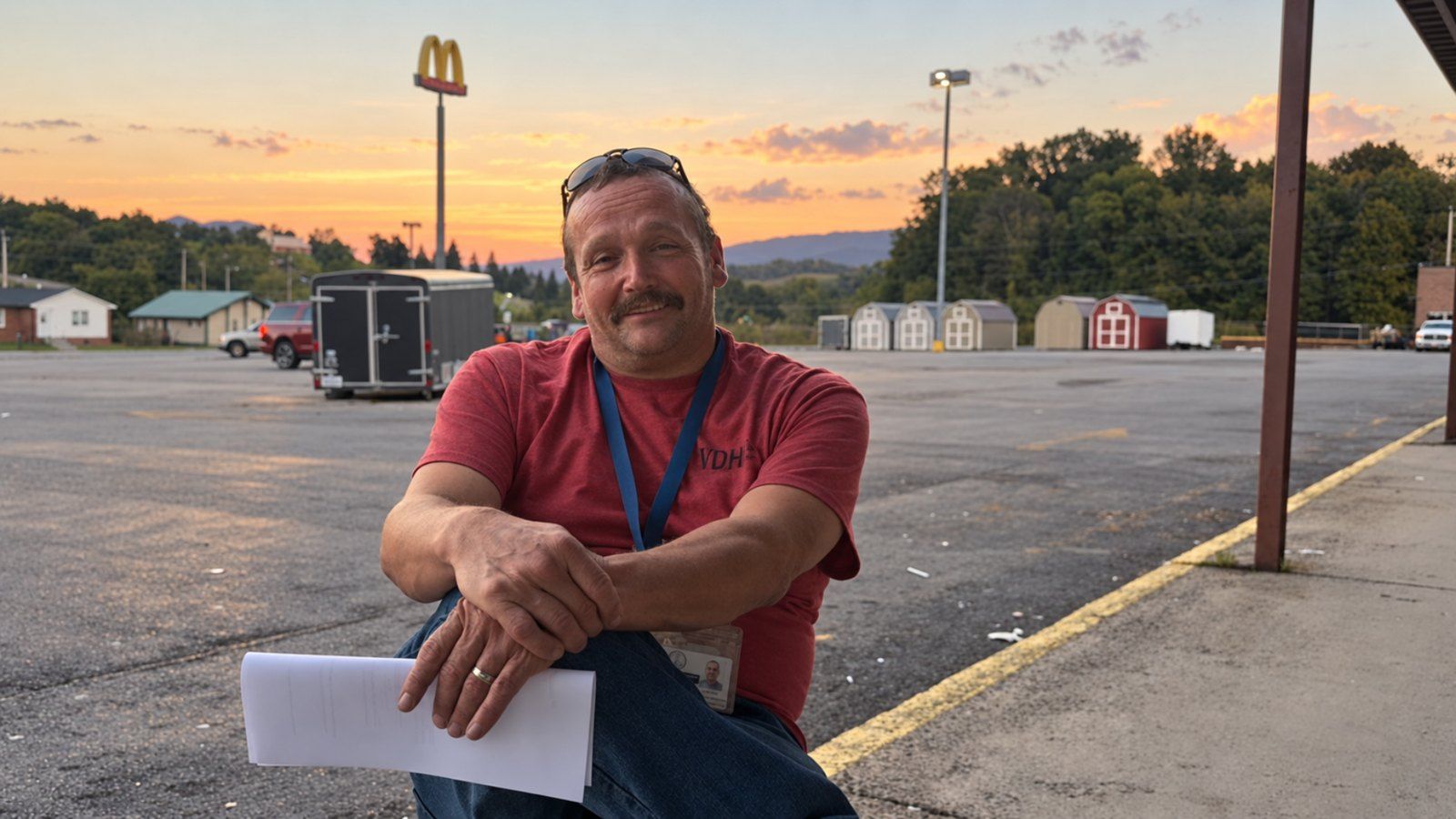
A vision for a community birth center, rooted in his own experience of finding help and helping others.
Read the story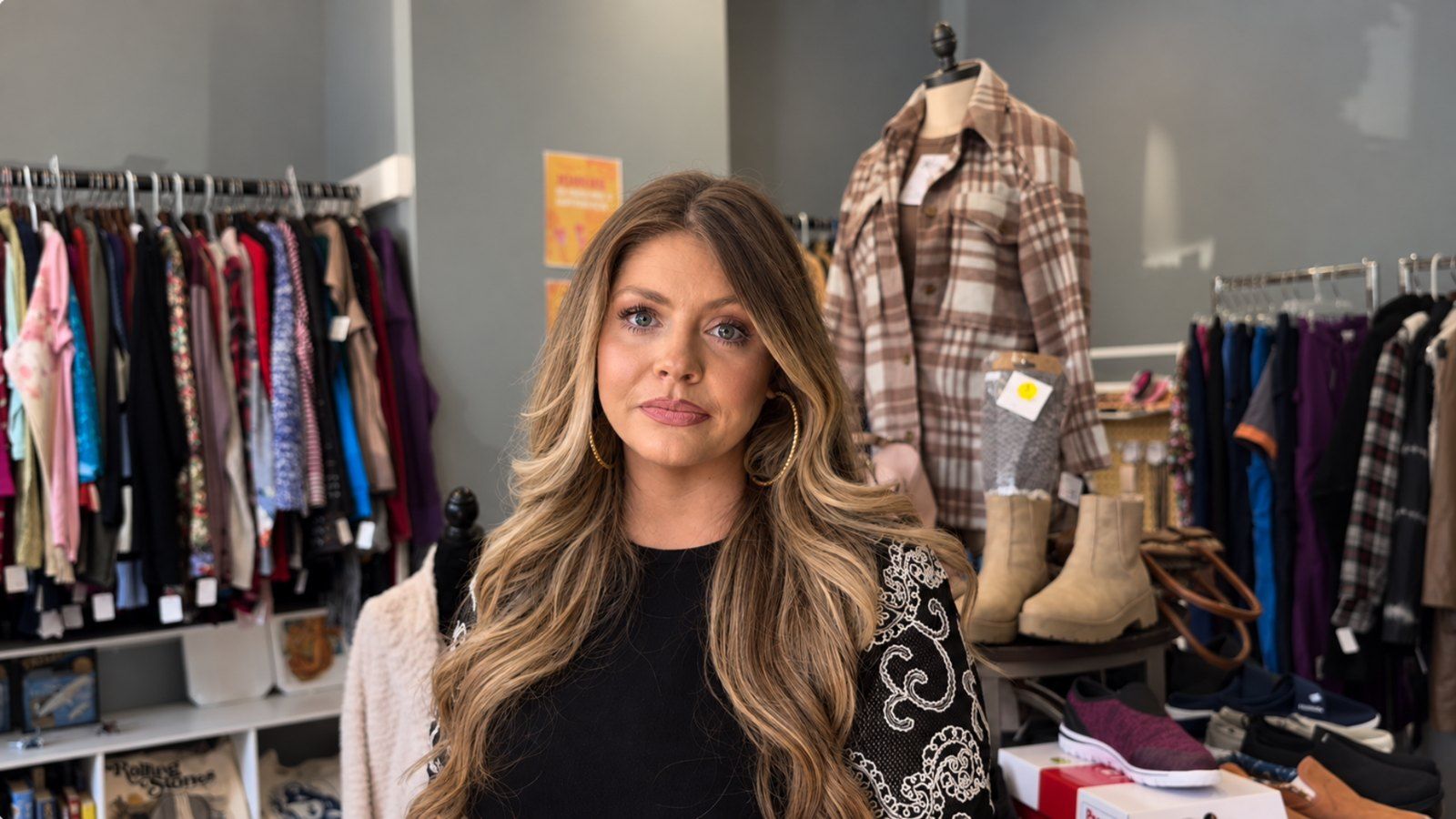
Afraid at her own prenatal appointments once, now she wants mothers facing addiction to find someone beside them.
Read the story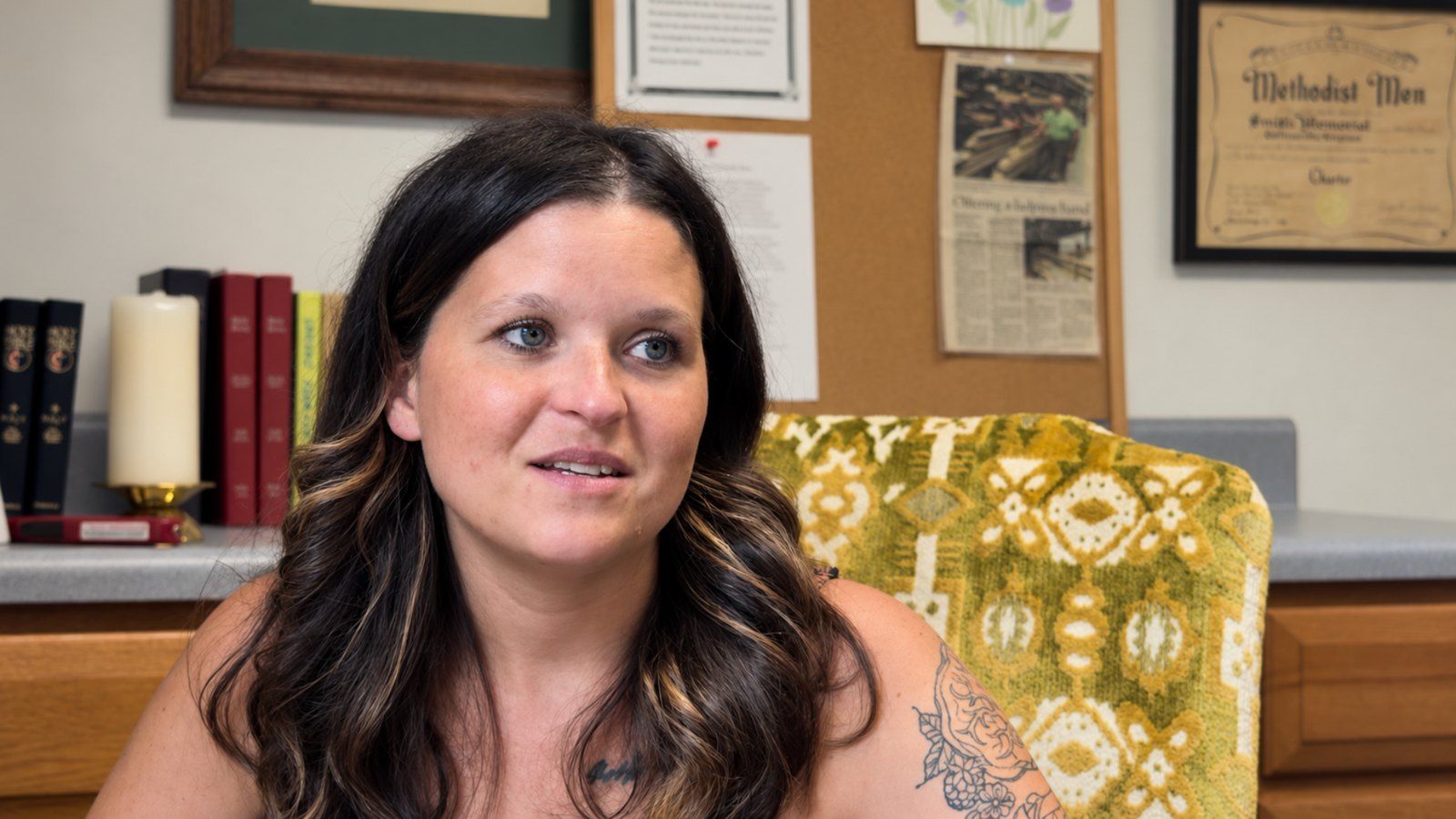
A midwife who knows what it's like to be judged for asking for help — building care where women are heard.
Read the story