
Heather Smith remembers what happened when asking for help left her feeling alone. As a midwife, she works to make care a place where women can be heard.
During one of her early pregnancies, Heather Smith told her provider she was struggling with substance use. It was an opportunity to connect her with help. Instead, she recalls being shamed, told the provider could not help, and warned that she could lose her baby if she did not get treatment. “I never spoke about it again after that,” she says. “My entire pregnancy I felt so alone.”
Heather had wanted to work in birth care since childhood. But her own experiences gave that interest a clearer purpose. With her first child, she was a teen mother and felt judged because of her age. During her second pregnancy, she experienced bias related to her financial circumstances and substance use. She wanted to help other women receive care that recognized them as people.
Today, Heather is a licensed certified professional midwife serving families in Henry, Franklin, and Roanoke counties. She describes the foundation of her work simply: building a relationship with each woman so she feels seen, heard, and supported.
In her practice, that relationship develops over twelve to fifteen prenatal visits, continues through birth, and extends into postpartum care. The consistency gives families time to get to know her. It also gives Heather opportunities to listen, share information, and help clients weigh risks and benefits as they participate in decisions about their care.
For someone who is afraid of being judged, that trust can matter before the first appointment even happens. Heather describes women facing substance use who hesitate to schedule care because they fear shame or what disclosing their circumstances might mean. She wants them to find practical help when they reach out.
Her later births showed her what supportive care could feel like. Now eleven years sober, Heather recalls a positive hospital birth with a caring obstetrician, followed by two births with midwives. Across those experiences, she felt supported and able to speak.
That experience informs the care she provides today. Heather knows how easily bias can make someone feel small, and how much it matters to have a provider who takes her concerns seriously. Her story reflects a central hope of the RMOMs campaign: families deserve relationships that help them ask questions, seek support, and participate in their care.
For Heather, that begins with making sure a woman who speaks up has someone ready to listen.
More stories from people carrying this care forward across Southwest Virginia.
On midwifery, legacy, and choice — from a midwife's porch in the Jim Crow era to his daughter's home birth.
Read the story
A vision for a community birth center, rooted in his own experience of finding help and helping others.
Read the story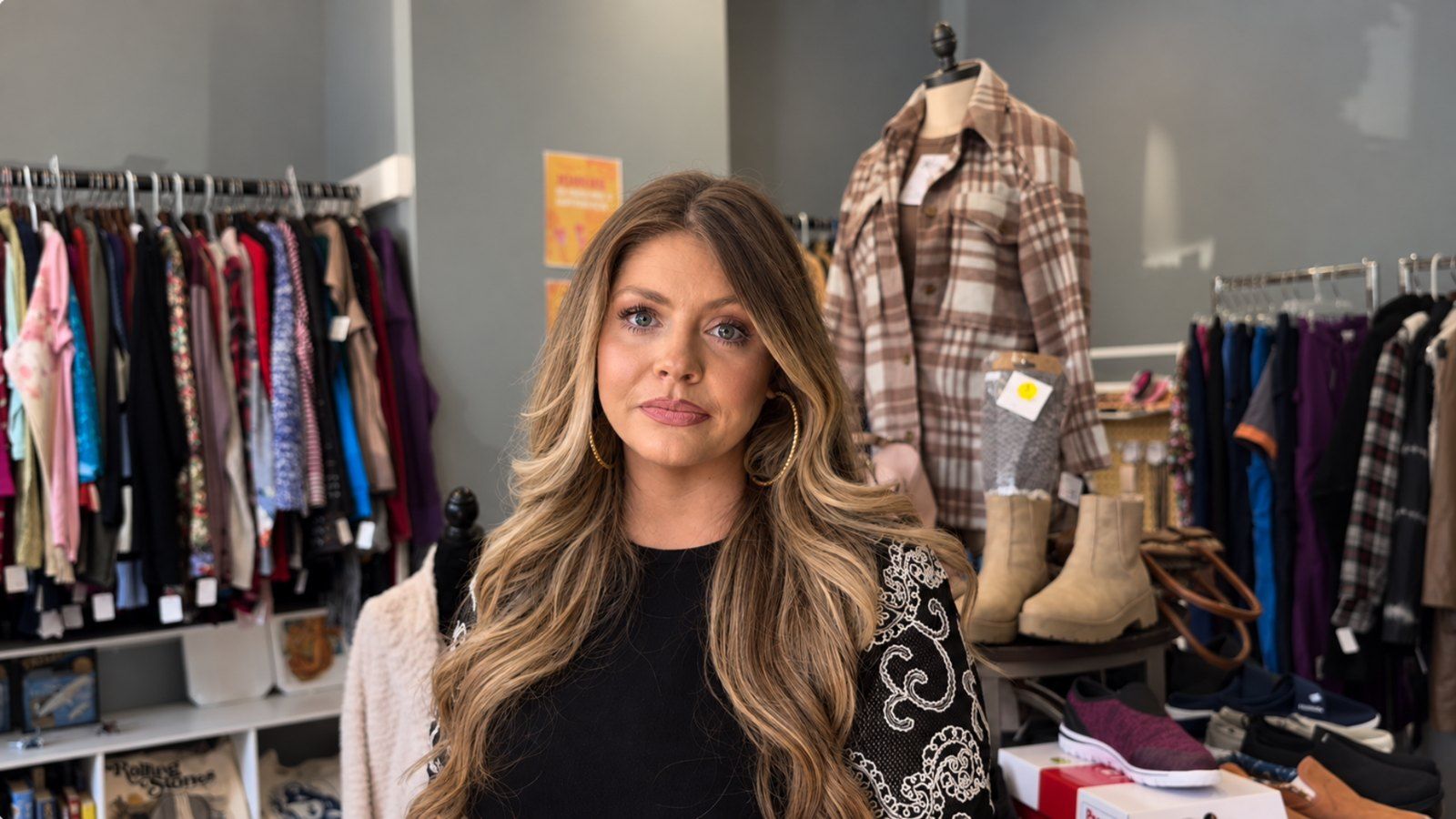
Afraid at her own prenatal appointments once, now she wants mothers facing addiction to find someone beside them.
Read the story