
Corey Sparks remembers being afraid at prenatal appointments. Today, she wants mothers facing addiction to find support when they walk through the door.
During her first pregnancy, Corey Sparks wanted to get better. She loved her baby. She was also struggling with addiction, and going to the doctor filled her with fear. “I would be a nervous wreck,” she recalls. “You don't know what's going to happen.”
That fear had a history. Corey's father died when she was six. In the years that followed, her mother struggled with addiction, and Corey experienced homelessness, abuse, and a brief placement in foster care. She remembers being taken into care in the middle of the night at fourteen, then wanting to stay in her room and speak to no one. By sixteen, her mother was in prison, Corey was married, and she was experiencing addiction herself.
Six months later, she learned she was pregnant. She wanted things to change, but her substance use continued through the pregnancy. Her son became, as she describes him, “my first true love.”
When he was eighteen months old, Corey was arrested and he was removed from her custody. She remembers getting out of jail and going to pick him up, only to learn she could not bring him home. The separation deepened her despair. Without her son, she struggled to believe there was a way forward.
Corey credits her faith and her experience in church with helping her find recovery. She later welcomed another baby, and her son was returned to her care. Today, as co-founder of A Hope and a Future Ministry in Tazewell, she is helping develop a twelve-month, faith-based residential recovery program for women. The ministry's gift and thrift store raises money for that work and is intended to provide participants with opportunities to gain work experience.
Her experience shapes what she wants mothers to encounter in maternity care. She imagines a peer recovery specialist joining a woman at a prenatal appointment: someone who understands her fear, can help her connect with treatment, and can say, “I know what you're going through. I've been there.” “They need to know that they're supported and that people care,” she says.
She wants that relationship to extend beyond the appointment, through nurses visiting the home, transportation to treatment and meetings, and people asking what a family needs to become safe and stable. Corey emphasizes that every situation is different, children's safety is essential, and some circumstances require separation. She also wants communities to invest in helping mothers recover so families can remain together, or reunify, whenever possible. “Our primary focus needs to be on how we can help the mother get better,” she says.
For Corey, trust grows through what people do: how they speak to a mother, whether they listen, and whether they help her reach the next appointment. Her story brings the connection between maternal health and community support into focus. Maternity providers, recovery specialists, and community organizations can help make care a place where a frightened mother finds someone beside her — and begins to believe she has a future.
More stories from people carrying this care forward across Southwest Virginia.
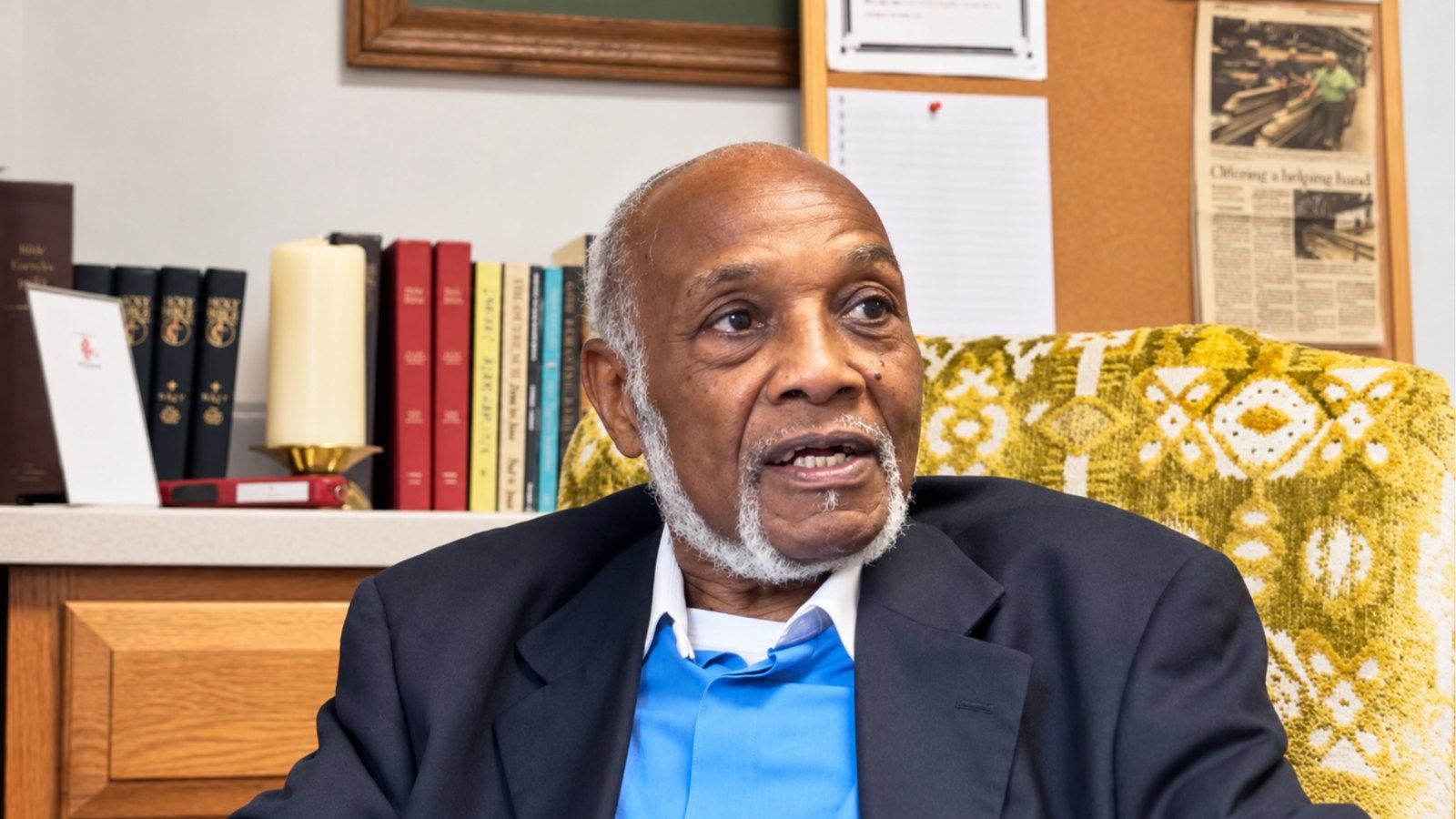
On midwifery, legacy, and choice — from a midwife's porch in the Jim Crow era to his daughter's home birth.
Read the story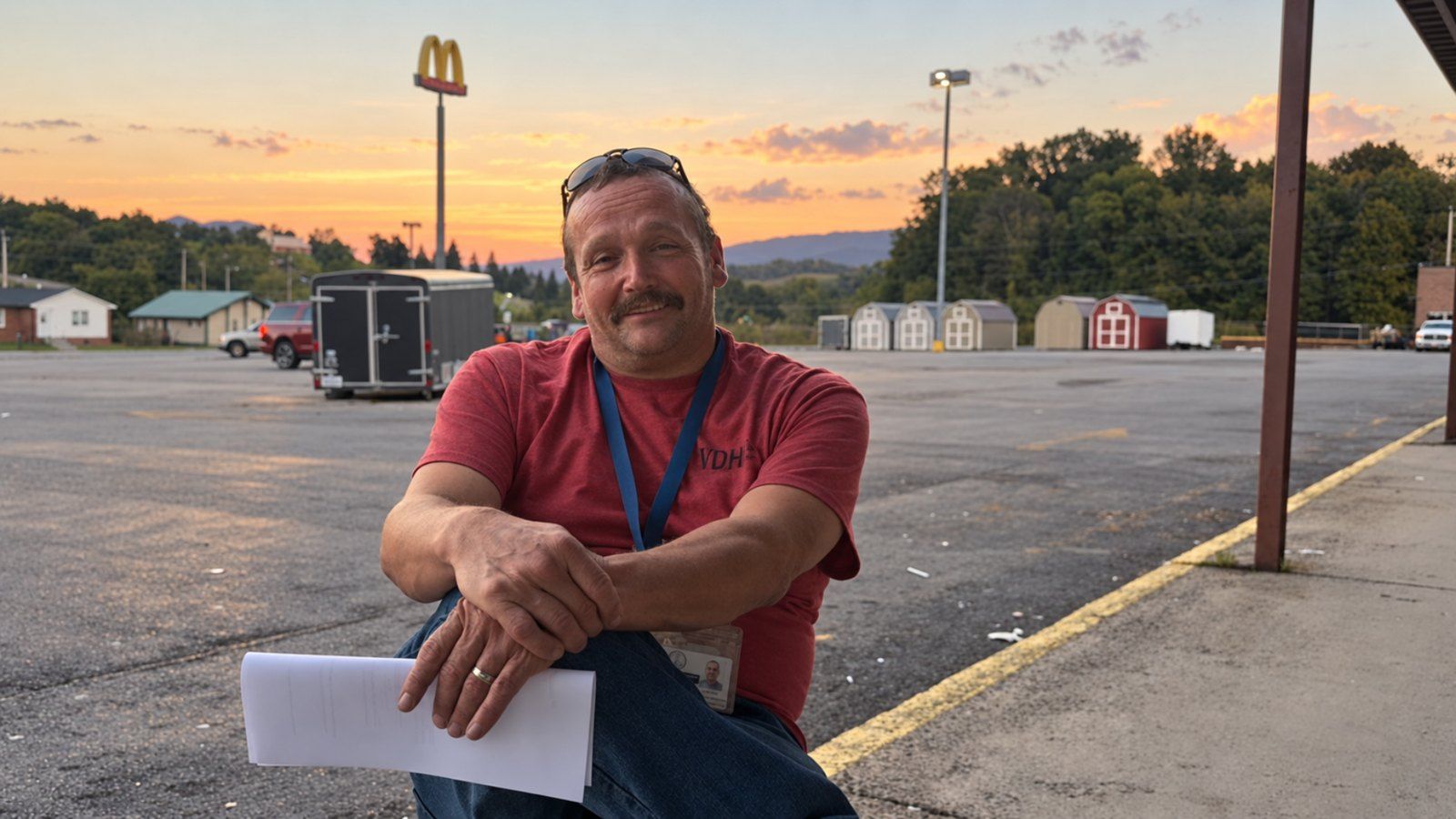
A vision for a community birth center, rooted in his own experience of finding help and helping others.
Read the story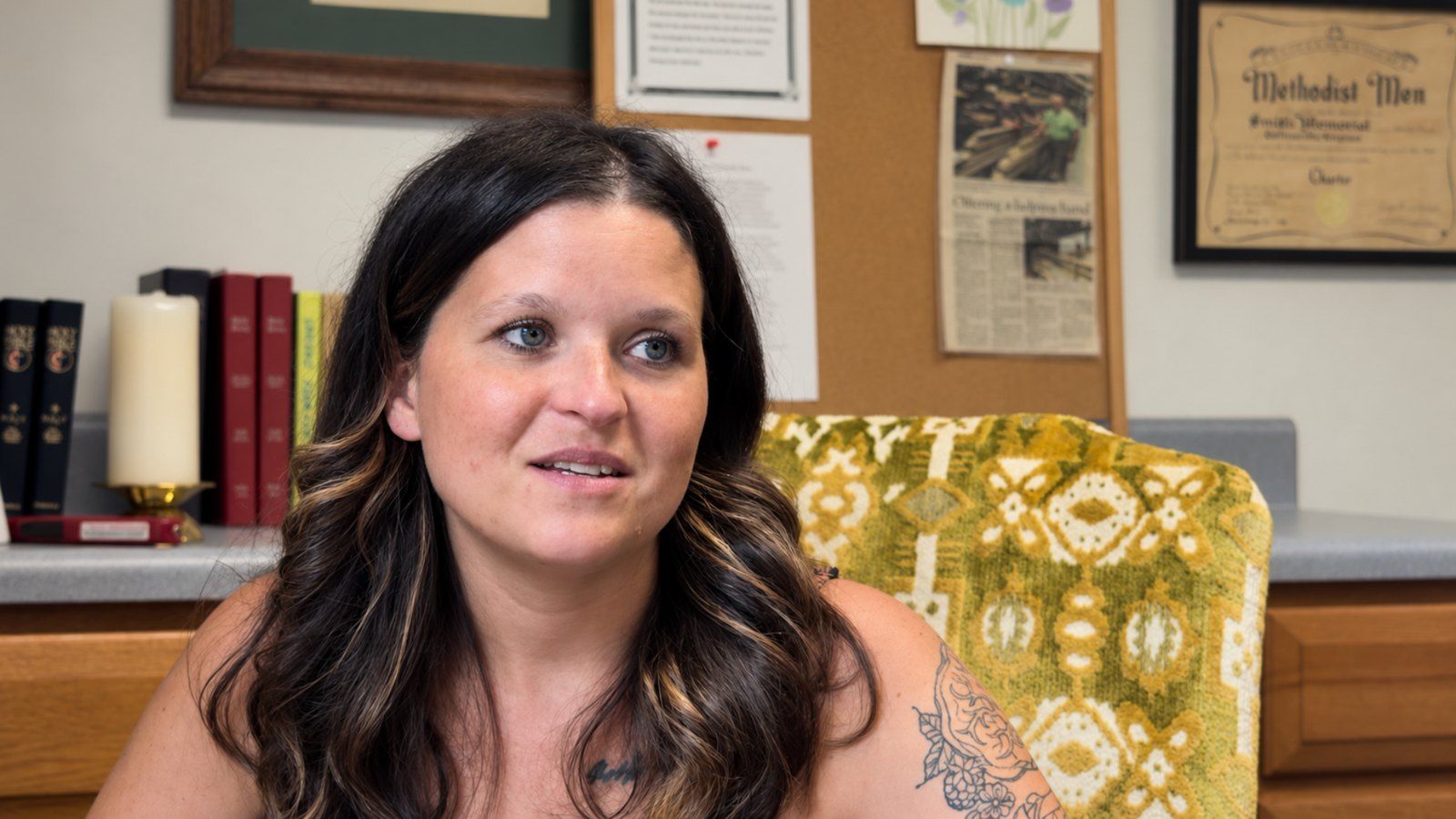
A midwife who knows what it's like to be judged for asking for help — building care where women are heard.
Read the story