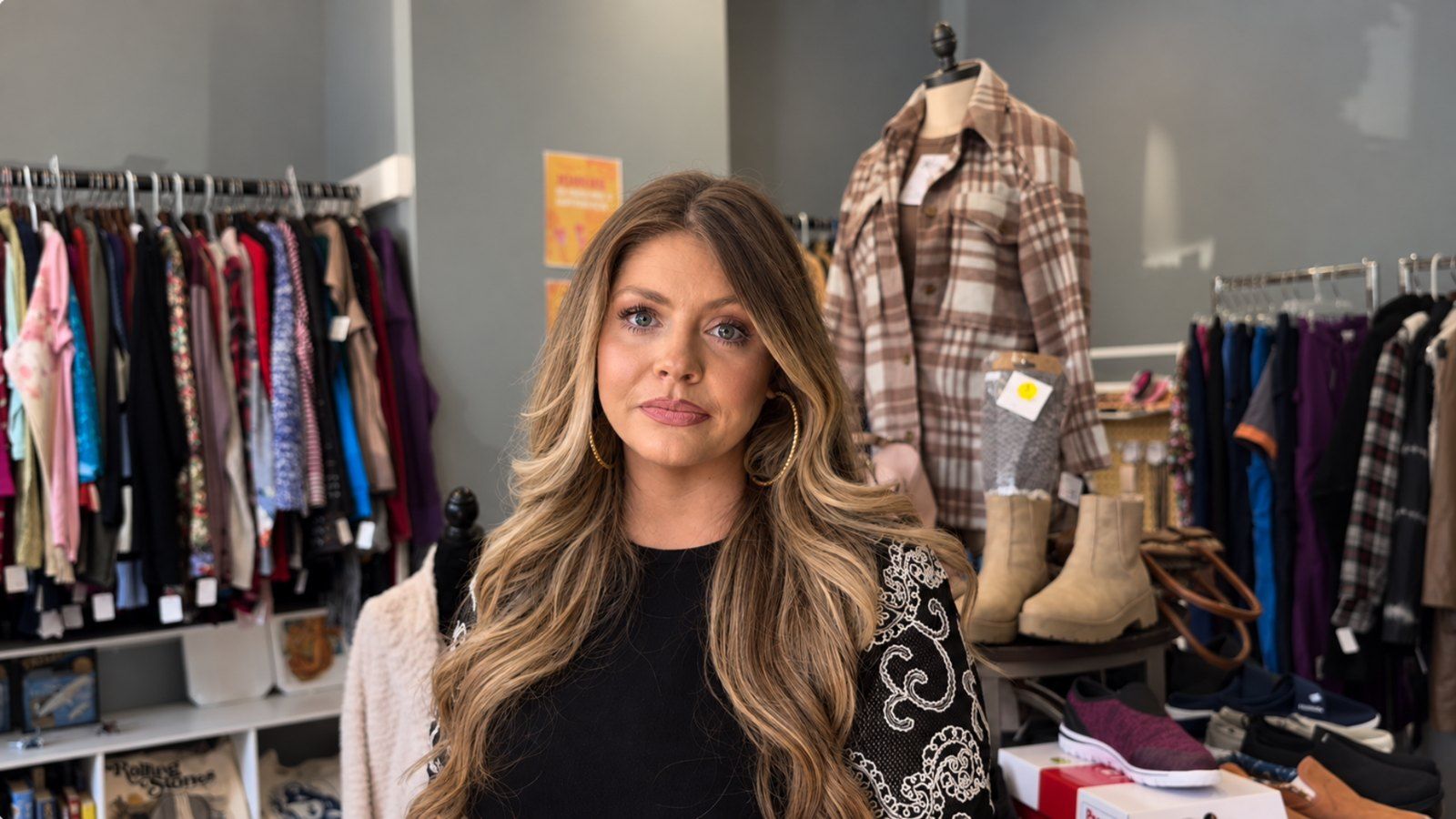
Recovery & family support
Corey Sparks
Corey Sparks remembers being afraid at prenatal appointments. Now she wants mothers facing addiction to find someone beside them.
Read the story
Families do best when providers, communities, and neighbors work together — and when care is built on trust.
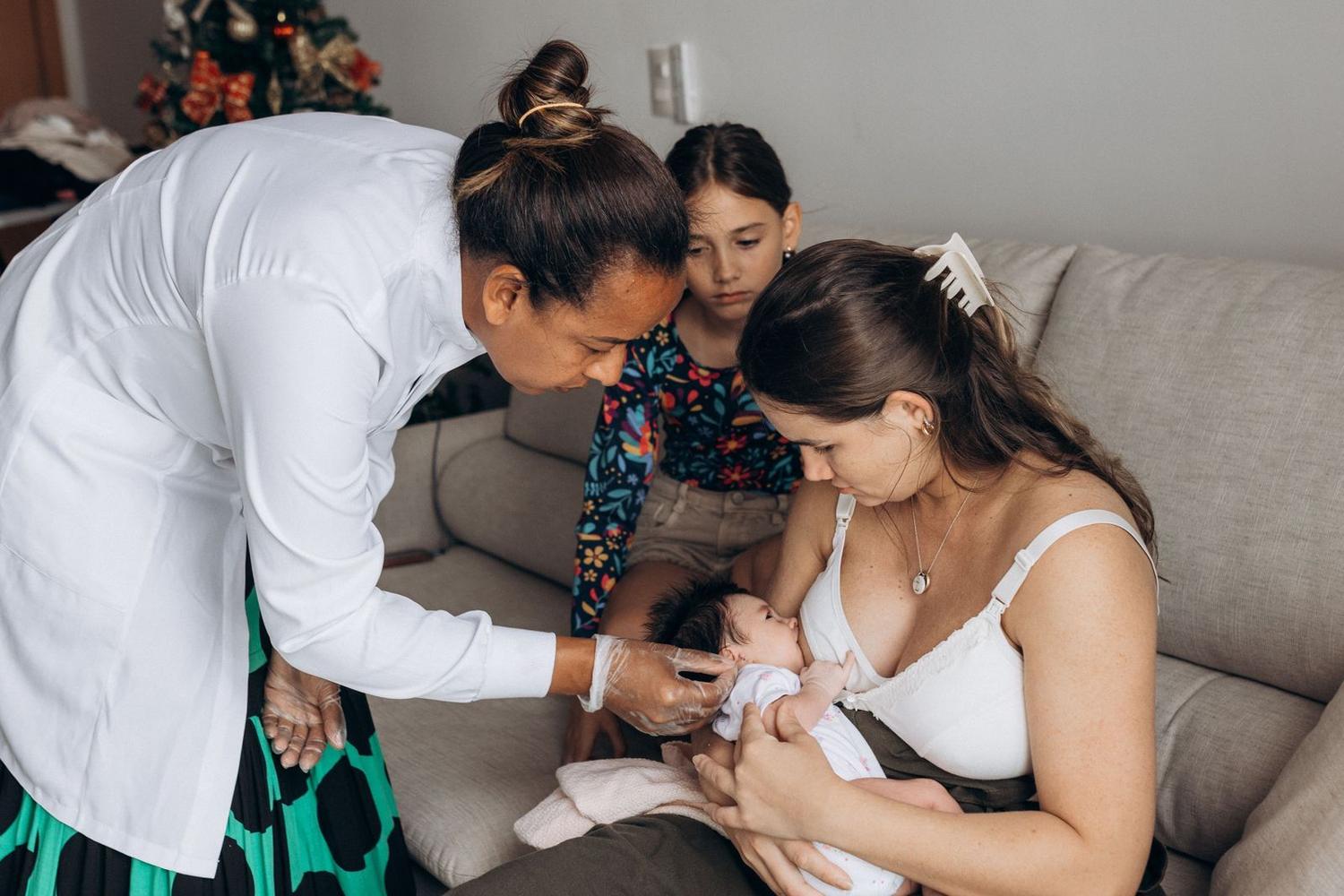
No one improves maternal health alone. The best care for families comes from people working together — a midwife or doctor, a nurse, a doula, a community health worker, with the family at the center of it all.
A common myth is that midwives, doctors, and doulas compete. In reality, good maternity care is a relay, not a rivalry. Providers refer to one another as a pregnancy's needs change, and community health workers keep families connected to all of it.
Care also reaches beyond the clinic — transportation, food, housing, and mental health all shape how a pregnancy goes.
A lot of people can be part of a family's care — all connected around you. Tap any role for a definition.
Good maternity care is a relay, not a rivalry. Midwives and doctors refer to each other when a pregnancy's needs change. Doulas support families alongside clinical providers. Community health workers and home visitors keep families connected to it all — and families feel it.
Pregnancy-related risk doesn’t end at delivery. In Virginia, most maternal deaths happen not during birth, but in the weeks and months after — which is exactly why postpartum care, and staying connected to a provider, matters so much.
of Virginia’s pregnancy-associated deaths happened between 43 and 365 days after the end of pregnancy — long after most routine care has ended. See the report
Care that reaches families at home can change this. Home visits by a midwife or nurse after birth are associated with improved mental health and breastfeeding — and lower health care costs.
A free guide for new parents from AWHONN — the urgent warning signs that mean call your provider or go to the ER.
Every pregnancy is unique — and you have more say than you might think. A few common worries, answered.
No. Every pregnancy is unique, and healthy families are cared for in many ways — with a midwife, a physician, or both; in a hospital, birth center, or home. The right model is the one that fits your health and your wishes.
No. They often work as one team and refer to each other as your needs change. Many families have both.
Usually the opposite. Understanding your options helps you feel confident and supported — not overwhelmed.
Early prenatal care gives you and your baby the best start — and it is easier when it is with someone you trust. You can begin with a midwife, an OB, or a family doctor; and if you are not sure where to turn, a community health worker or local clinic can help. Starting early, with someone you trust, matters more than having everything figured out.
Check the ones you want to bring to your next appointment.
Respectful care — meeting families where they are, without judgment — changes what is possible. Stories of care reaching families the system often misses.
Corey Sparks remembers being afraid at prenatal appointments. Now she wants mothers facing addiction to find someone beside them.
Read the story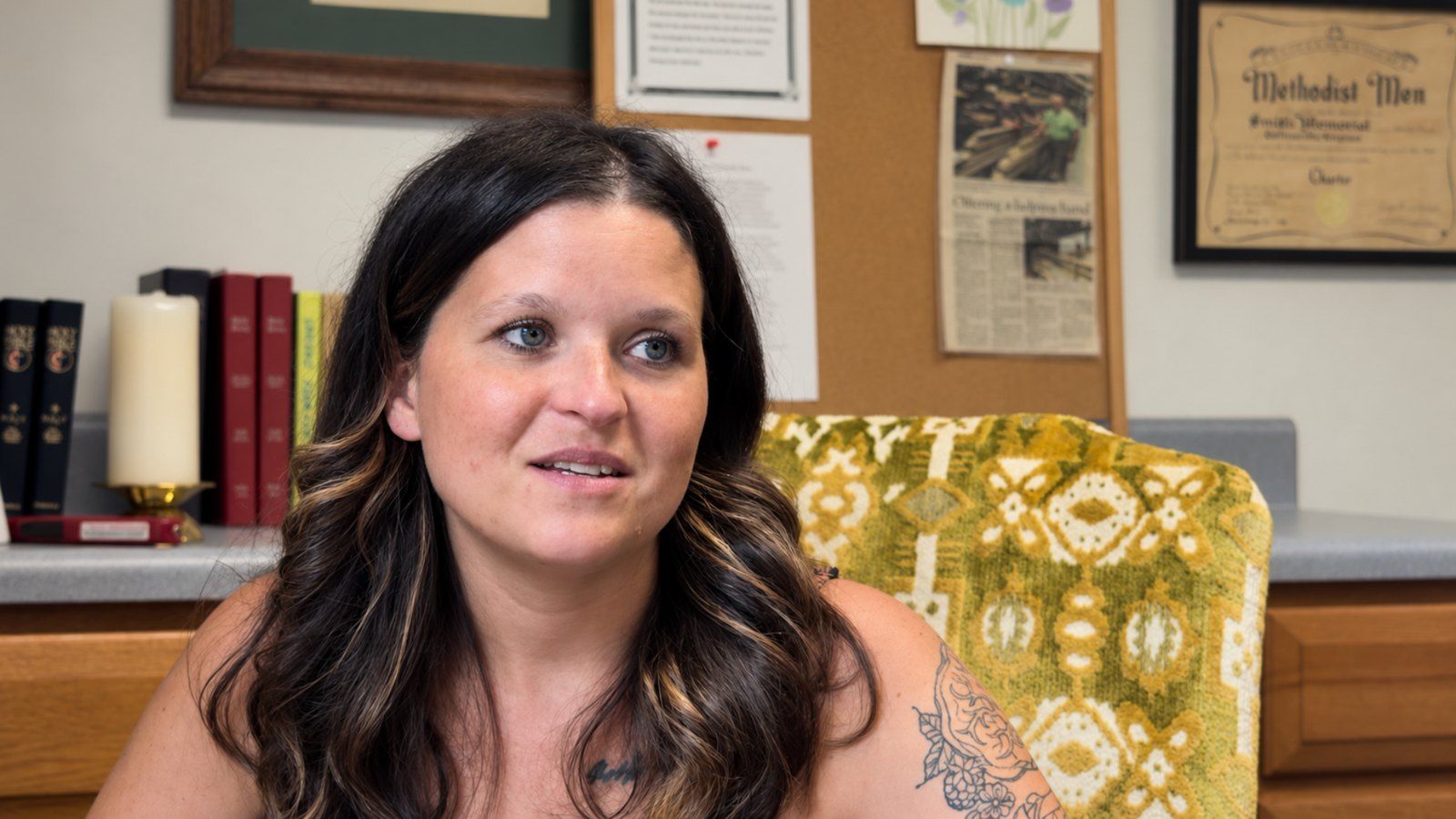
Heather Smith is a midwife who knows what it's like to be judged for asking for help — and builds care where women can be heard.
Read the story