
A midwife is a trained health professional who cares for you through pregnancy, birth, and the weeks that follow — with a doctor brought in when a pregnancy needs medical care.

A midwife is a trained health professional who cares for you through pregnancy, birth, and the weeks that follow. Midwives support healthy, lower-risk pregnancies as the normal life events they usually are — with close, personal attention — and they work alongside doctors when a pregnancy needs medical care.
Midwives do more than catch babies. They provide prenatal visits, guidance, and testing during pregnancy; support through labor and birth; and postpartum care for both parent and baby, often including feeding and breastfeeding support.
Choosing a midwife doesn't mean choosing a home birth, and it doesn't mean giving up your doctor.
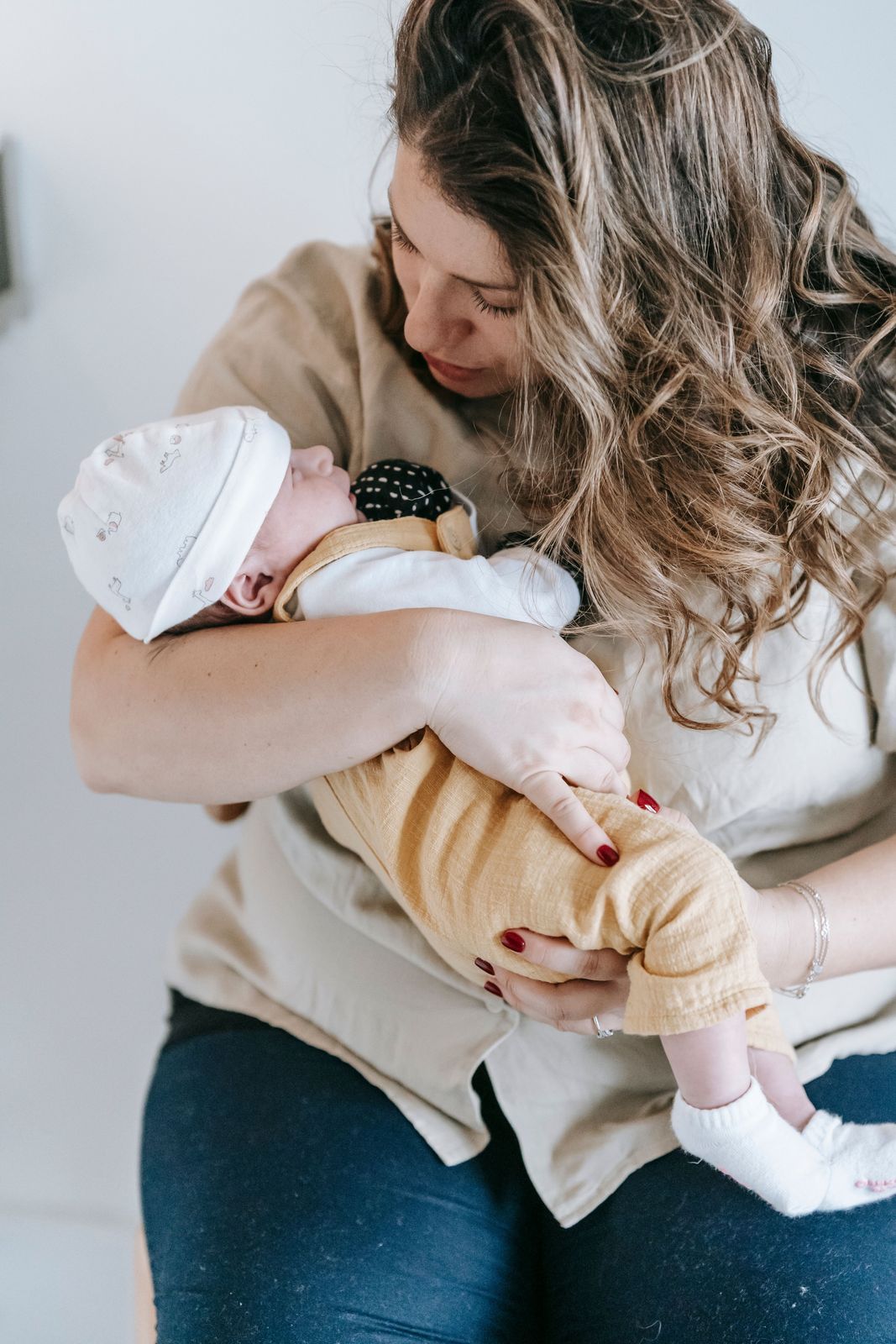
Midwives care for you across the whole journey — not just on the big day. Tap a stage to see what that looks like.
Care and monitoring throughout pregnancy.
Support and clinical care through labor and delivery.
Care for you and your baby after birth.
Feeding support and the longer road.
In more places than most people picture — choosing a midwife doesn't determine where you give birth. Tap a setting to learn more.
The most common setting for midwife-attended births in the U.S. Midwives and physicians work side by side, with full medical resources on hand if they're needed.
Not all midwives train the same way, and the letters after a midwife's name tell you about their education and where they usually practice. Most midwives in Virginia are CNMs or CPM/LMs.
A registered nurse with a graduate degree in midwifery. Licensed in every U.S. state, including Virginia, can prescribe medication, and practices in all settings — most often hospitals, but also birth centers and homes.
Trained specifically in out-of-hospital birthing, through an accredited program or supervised apprenticeship. Like CNMs, CPMs pass a comprehensive written examination. Licensed or legally recognized in 37 states and the District of Columbia, including Virginia, where a state-licensed CPM is called a Licensed Midwife (LM) — who may obtain, possess, and administer the medications and devices used within the LM’s scope of practice.
Identical graduate education and scope of practice to a CNM, without a nursing degree. Can prescribe medications and practice in all settings. Licensed in Virginia and 12 other states plus the District of Columbia.
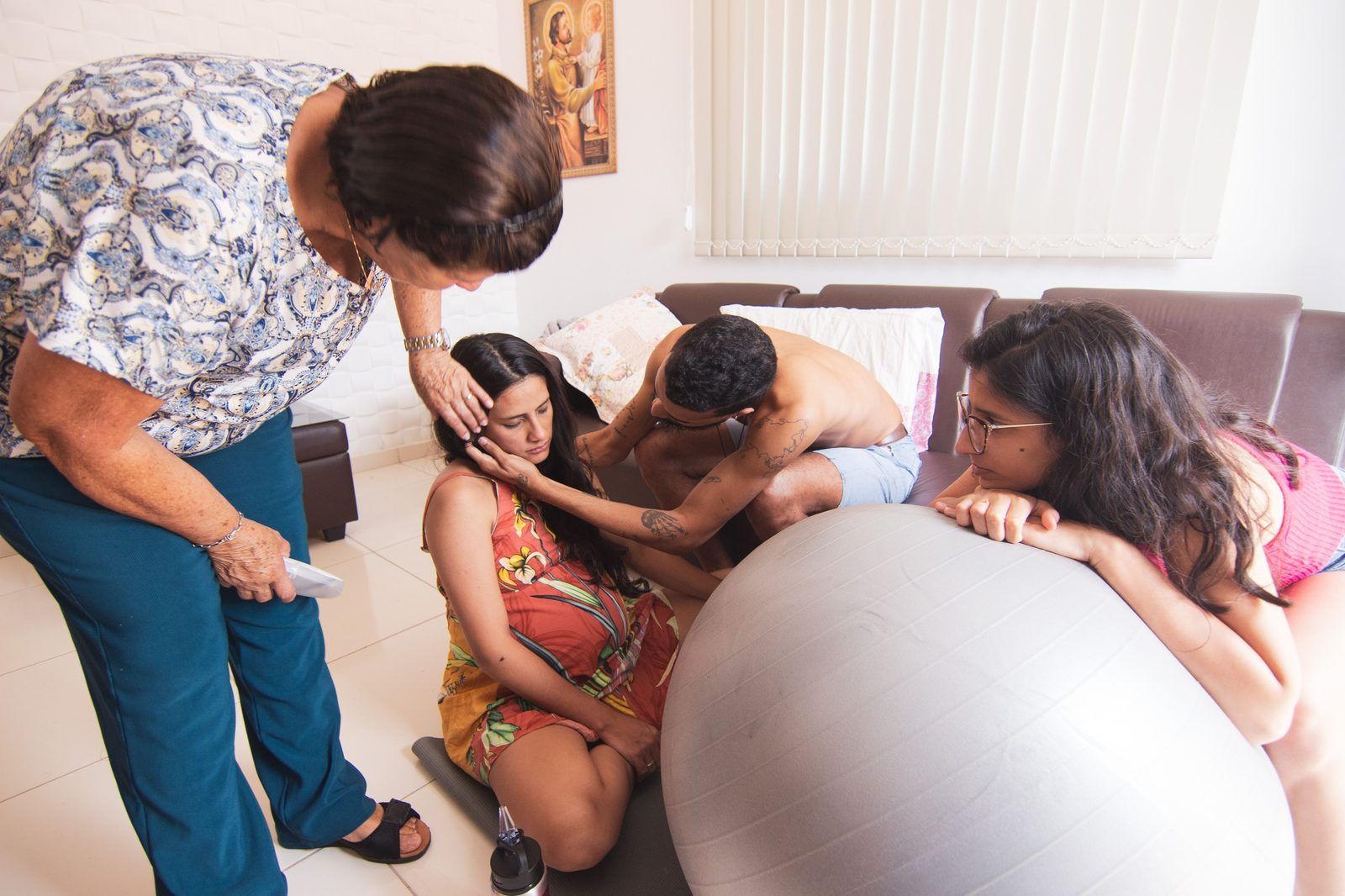
A midwife is a clinical provider who can deliver babies and manage the health of pregnancy and birth. A doula offers steady emotional, physical, and informational support before, during, and after birth.
A few of the most common misconceptions — and what's actually true. Tap a myth.
A midwife is a clinical provider who can deliver babies and manage the mother and baby's health during pregnancy and birth. A doula offers non-medical support. Many families have both — they are teammates, not substitutes.
Most midwife-attended births in the U.S. happen in hospitals. Midwives also practice in birth centers, clinics, and homes.
Midwives specialize in healthy pregnancies — and when a pregnancy becomes more complex, they often keep caring for you alongside a physician, so you don't necessarily give up care from your midwife.
You can get prenatal care from a midwife and still deliver in a hospital or with a physician. Choosing a midwife now doesn't close any doors.
Midwives do more than care for pregnancy. While the childbearing years are the primary focus, many midwives also provide newborn care in the first four weeks, and primary sexual and reproductive care from puberty through and beyond menopause.
They collaborate with physicians, nurses, doulas, and community health workers — and receiving care from a midwife never limits your options.