
Long before today's healthcare system existed, community midwives — Appalachian granny midwives and traditional Black midwives — delivered babies and supported families across Southwest Virginia.
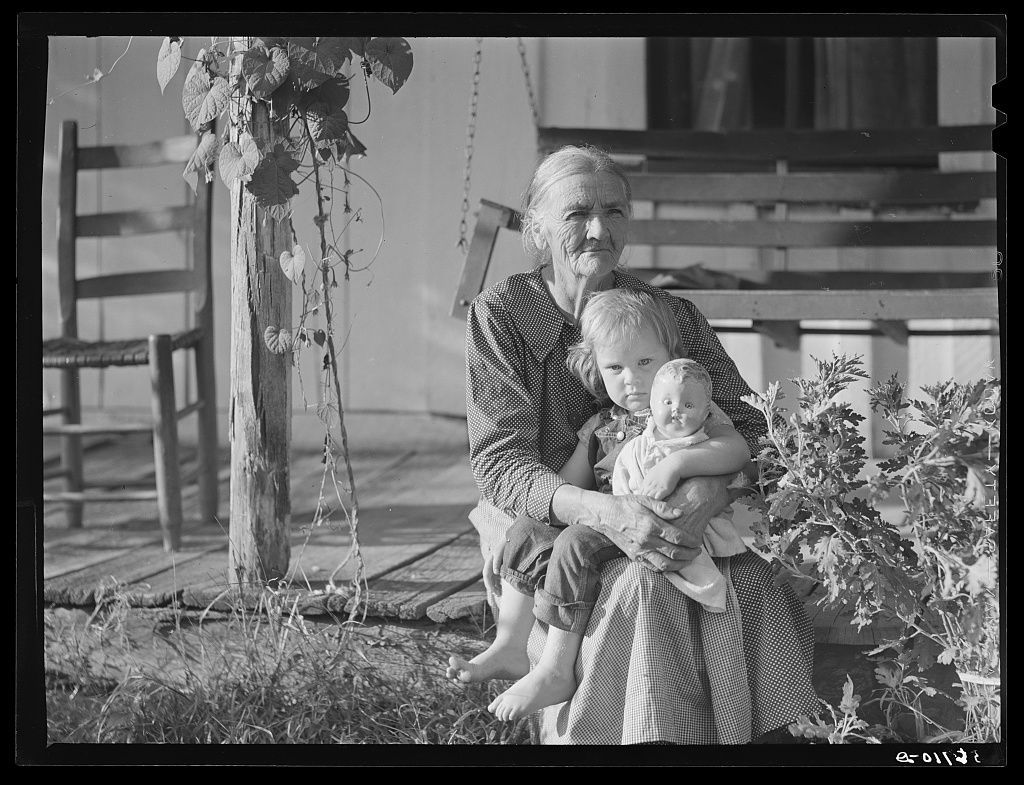
Long before today's healthcare system existed, midwives cared for families across Southwest Virginia. For generations, community midwives — Appalachian granny midwives and traditional Black midwives — delivered babies and supported families with care rooted in relationships, experience, and hard-won knowledge.
This care wasn't separate from healthcare. For much of our history, it was healthcare — especially in rural and Black communities, where trusted neighbors, not distant institutions, saw families through birth.
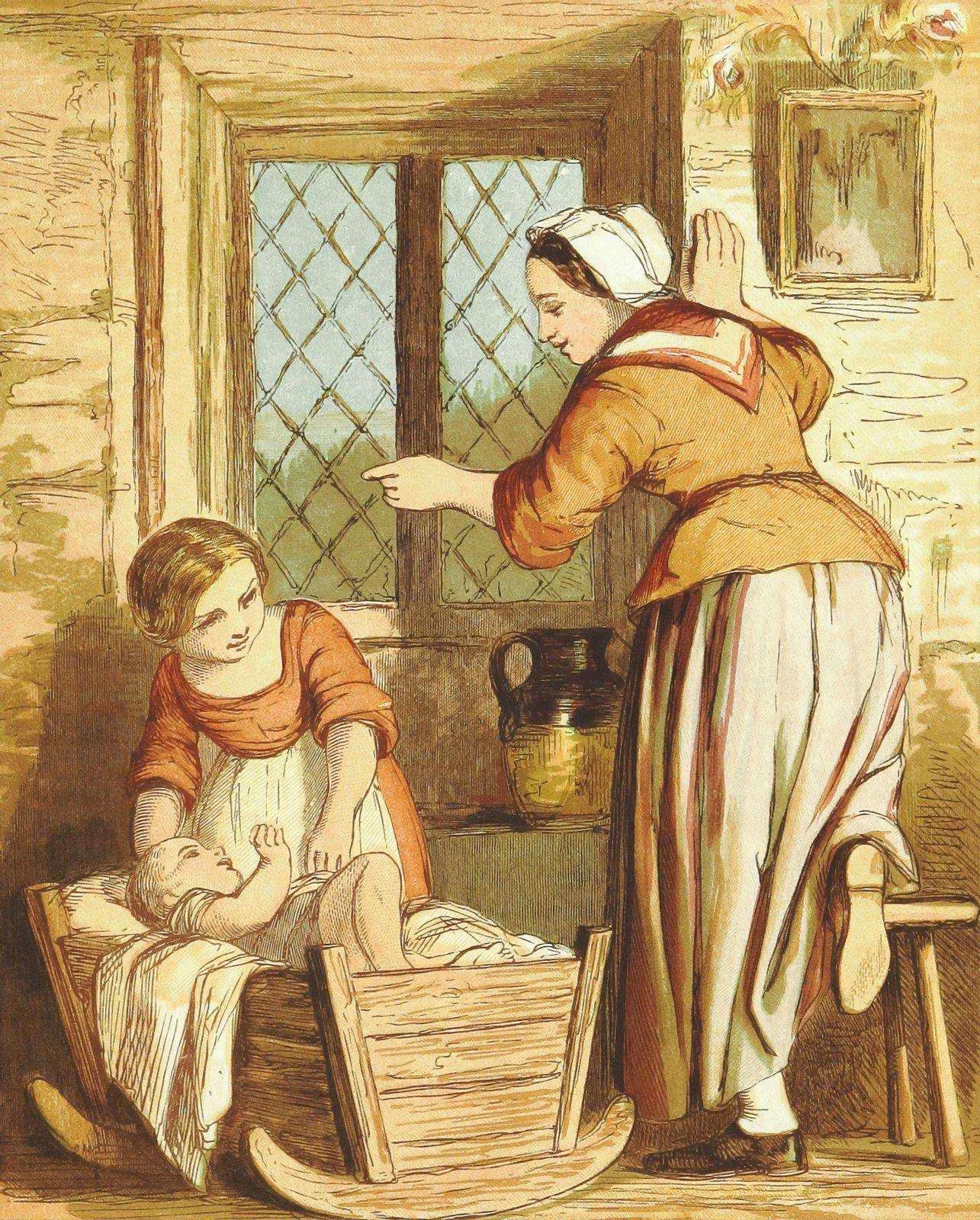
That changed, and not entirely on its own. As birth moved into hospitals in the early 1900s, new laws, licensing rules, and public campaigns steadily pushed trusted community midwives out, often unfairly casting them as unsafe. In Virginia, that shift unfolded during an era shaped by eugenics and racial laws that devalued Black and rural families and the caregivers they relied on.
In Virginia, one figure loomed especially large: Walter Plecker, the state's first registrar of vital statistics and architect of the 1924 Racial Integrity Act. Plecker pressured midwives directly, accusing them of falsifying the racial classifications on birth certificates and threatening those who recorded families as they knew them. Many here would argue his campaign reshaped Virginia birth more than the Flexner Report did. Yet the record also shows Virginia midwives regularly crossing lines of race and class to care for their neighbors — the very web of community trust this system worked to sever.
Understanding this history isn't about looking back for its own sake. It helps explain the maternity care system we have today — and why reconnecting communities with the midwifery model is part of rebuilding trust and access.
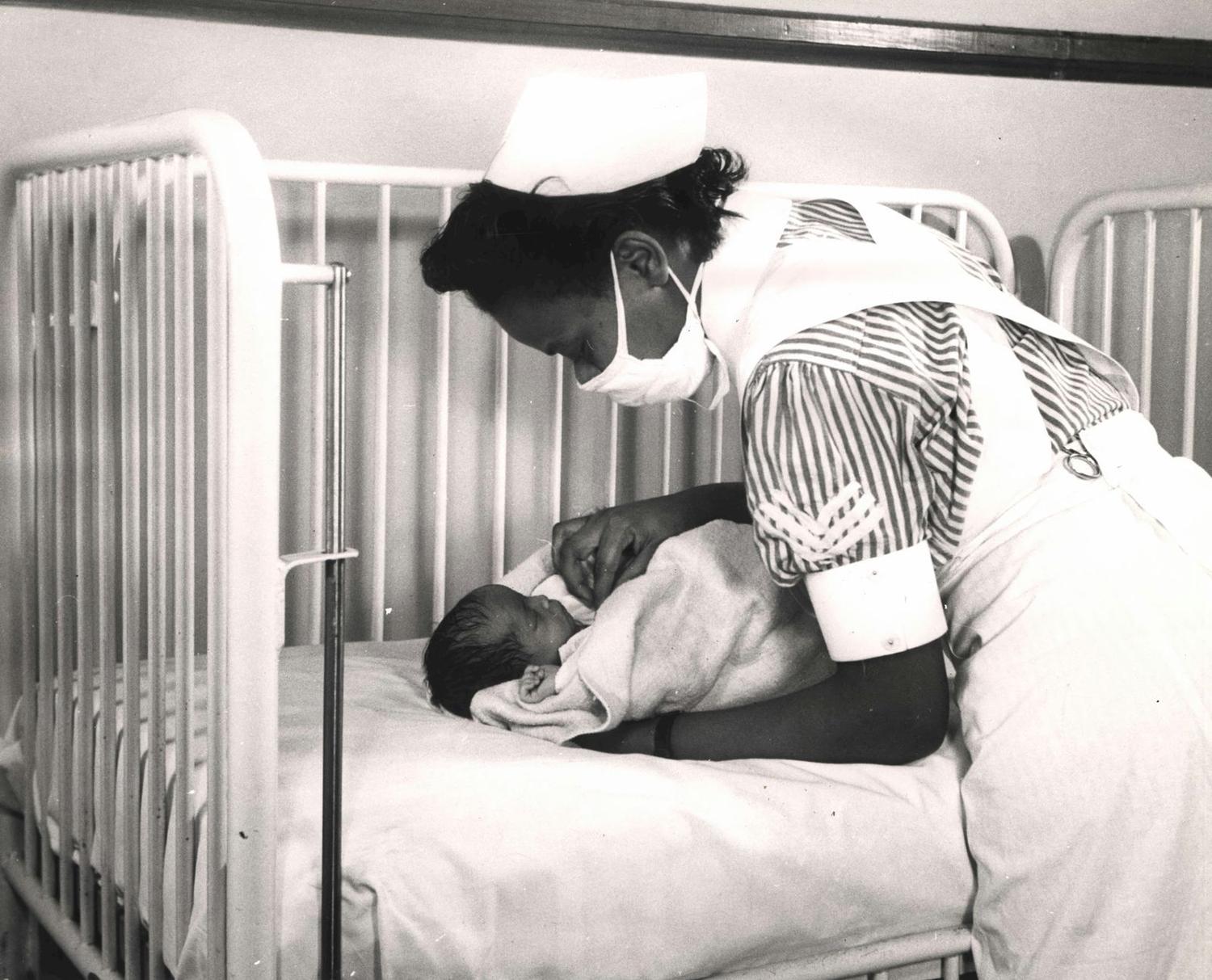
Four chapters, from rooted to return. Tap a chapter to read its story.
For generations, community midwives — Appalachian granny midwives and traditional Black midwives — were the most trusted health workers in their communities, attending most births across the region. Care was rooted in relationships, apprenticeship, and knowledge passed down through families. In 1889, near Groundhog Mountain, Orlean Puckett began nearly 50 years of midwifery that came to embody this tradition.
Midwives practicing in Virginia, 1918–1962
Near Groundhog Mountain in Carroll County, Orlean Hawks Puckett — remembered by her community as "Aunt Orlean" — became one of the most trusted midwives in Southwest Virginia. Born in North Carolina around 1844, she married young and moved into the Blue Ridge. Her own life held deep loss: she was pregnant some two dozen times, but none of her babies survived infancy.
In 1889, when a neighbor went into labor and no doctor could be reached, Orlean stepped in. For nearly 50 years afterward she traveled the mountains — on foot or on horseback, up to twenty miles, and never for pay — to deliver babies.
Her life is a window into Appalachian birth traditions: care built on skill, reputation, and relationship, carried by women who were often the only help for miles. Her ending is part of the story, too. In 1939, at 95 and in poor health, Orlean was told the state’s highway project was reaching her land and she had to leave. She begged to stay in her home until she died; she was given 30 days to vacate, and died three weeks after moving. Those who knew her said she died of a broken heart. (The cabin marked as hers at Milepost 189.9 on the Blue Ridge Parkway is, in fact, a relative’s.)
In the Saltville area, Mary Fullen — known as “Mary Si” — was a midwife remembered by the people she delivered. Her daughter, Nancy Fullen Axon, recalled her mother delivering “a gang” of babies across the area, and being carried over into neighboring Russell County to attend births. Her daughter’s oral history is the record that names her.
A separate county death record documents another Black midwife of the same area — Rebecca Fullen, wife of Jasper Fullen, born enslaved in Georgia, who died in 1922. The death record is a reminder that these caregivers appear in the archive even where their full stories have not yet been told.
If you know more about Mary or other Southwest Virginia midwives — we’d love to hear from you.
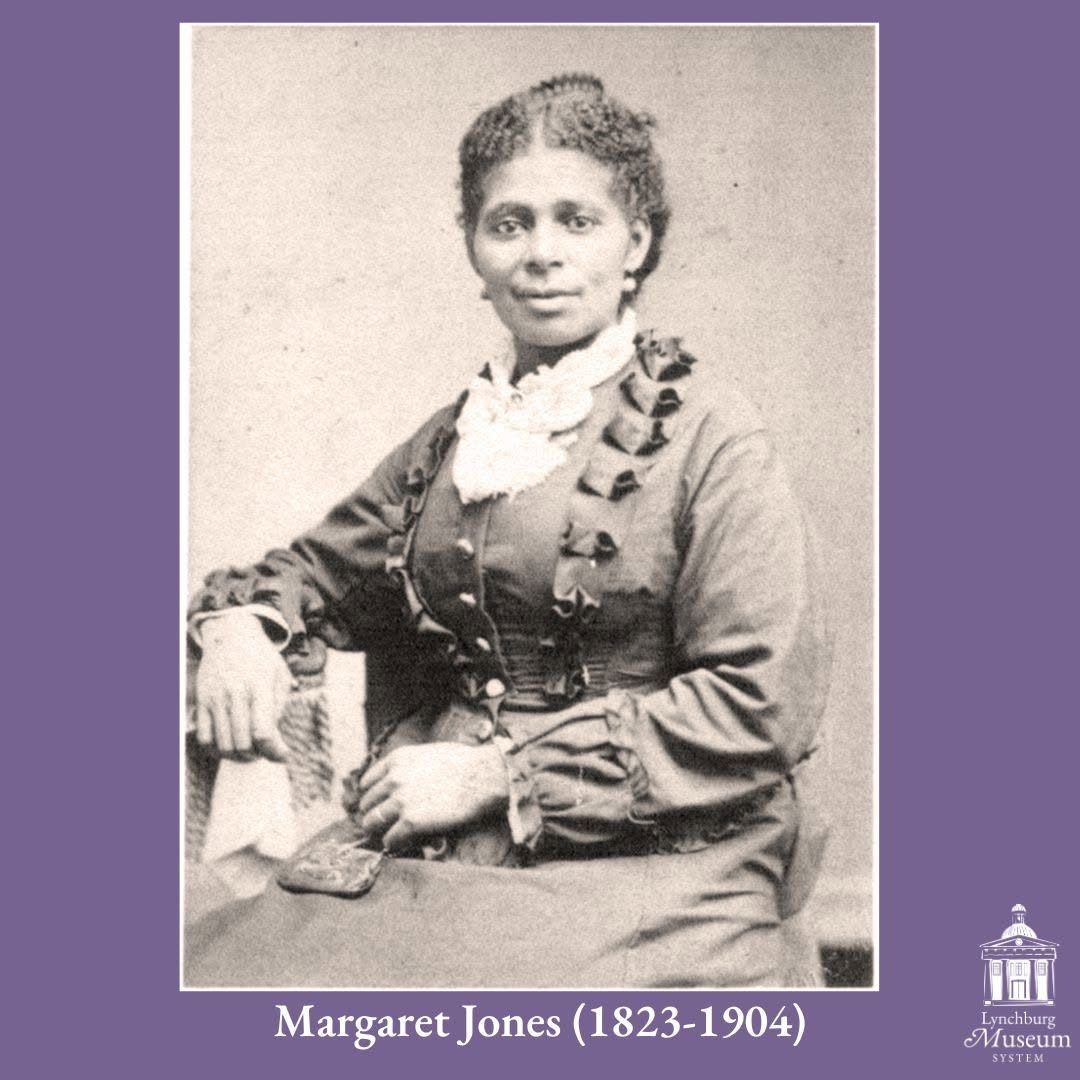
Across Virginia — especially after the Civil War — traditional Black midwives were central to how families gave birth. Many had been born into slavery; in freedom they carried deep knowledge and the trust of whole communities, Black and white alike, often as the most respected health workers a town had.
Lynchburg's Margaret Jones (1823–1904) was one of them. Born into slavery, she became a midwife known well beyond her own community, remembered in her time as "loved and honored by all who knew her, both white and colored." Her standing is a reminder that this care was skilled, professional, and deeply woven into the life of the city.
When later laws, licensing, and hospital campaigns pushed traditional midwives out, it was these community networks — and the trust they carried — that were lost. Remembering midwives like Margaret Jones is part of understanding both what changed and what is worth rebuilding.
A note on geography: Lynchburg is in Central Virginia, not Southwest Virginia — whose counties lie south and as far as four hours west of Roanoke. We include Margaret Jones as a richly documented example from the wider Appalachian region, which is vast and reaches well beyond Virginia. History tells us an equally rich story of Black midwives exists in Southwest Virginia itself — but for now, all we have are a few names and a single interview, like Mary Fullen’s above.
In the old community model, care didn’t stop at birth.
Midwife Mary Elizabeth “Toddy” Collins would return once a week to bathe the baby.
Accounts of African American midwifery in rural Virginia describe daily visits until the baby’s cord had healed.
Then weeks of protected rest — two to six weeks of seclusion and recovery for mother and child.
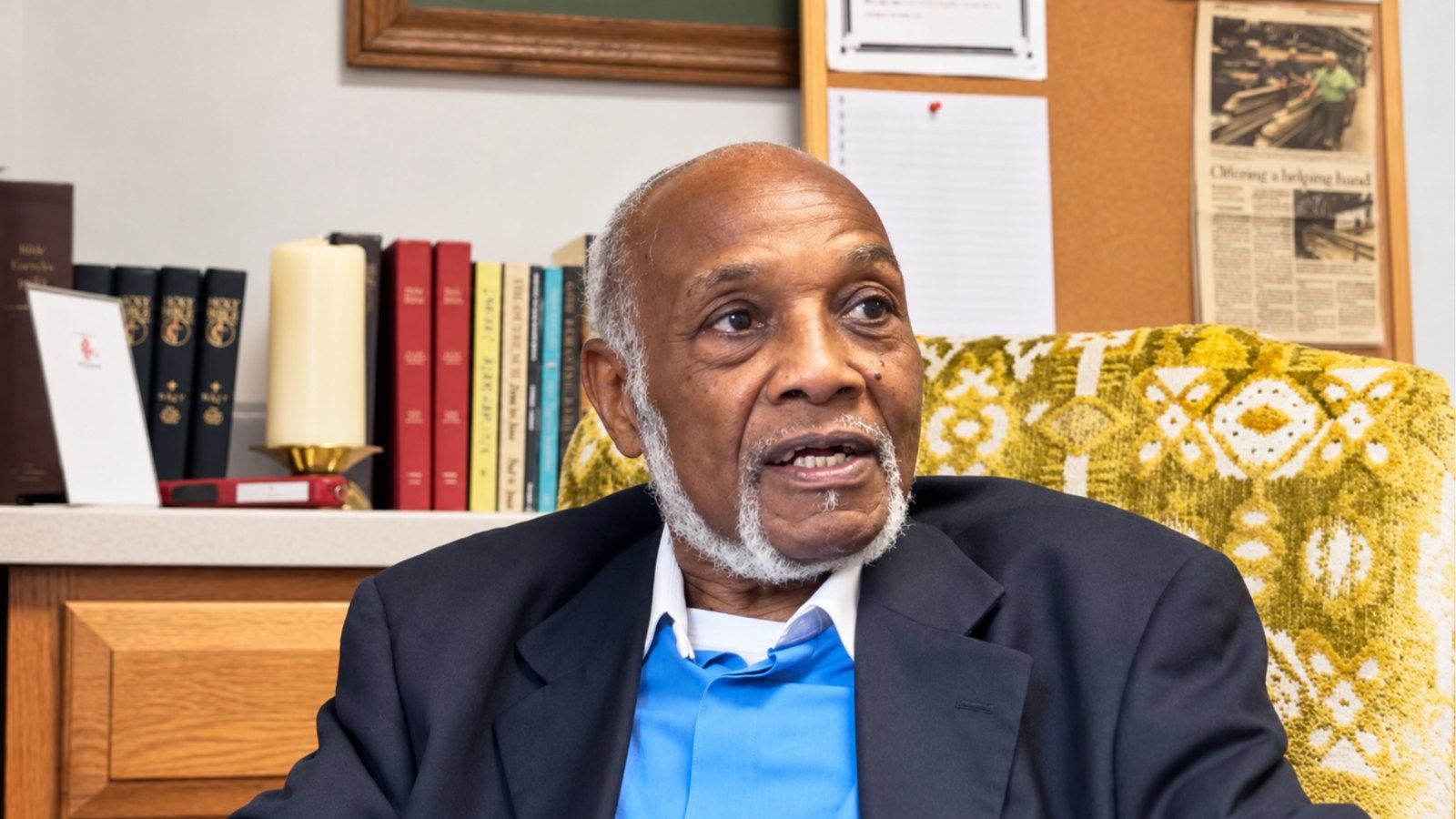
“It is more than just a birth. It is tied to legacy. It is tied to our community.”
Read the story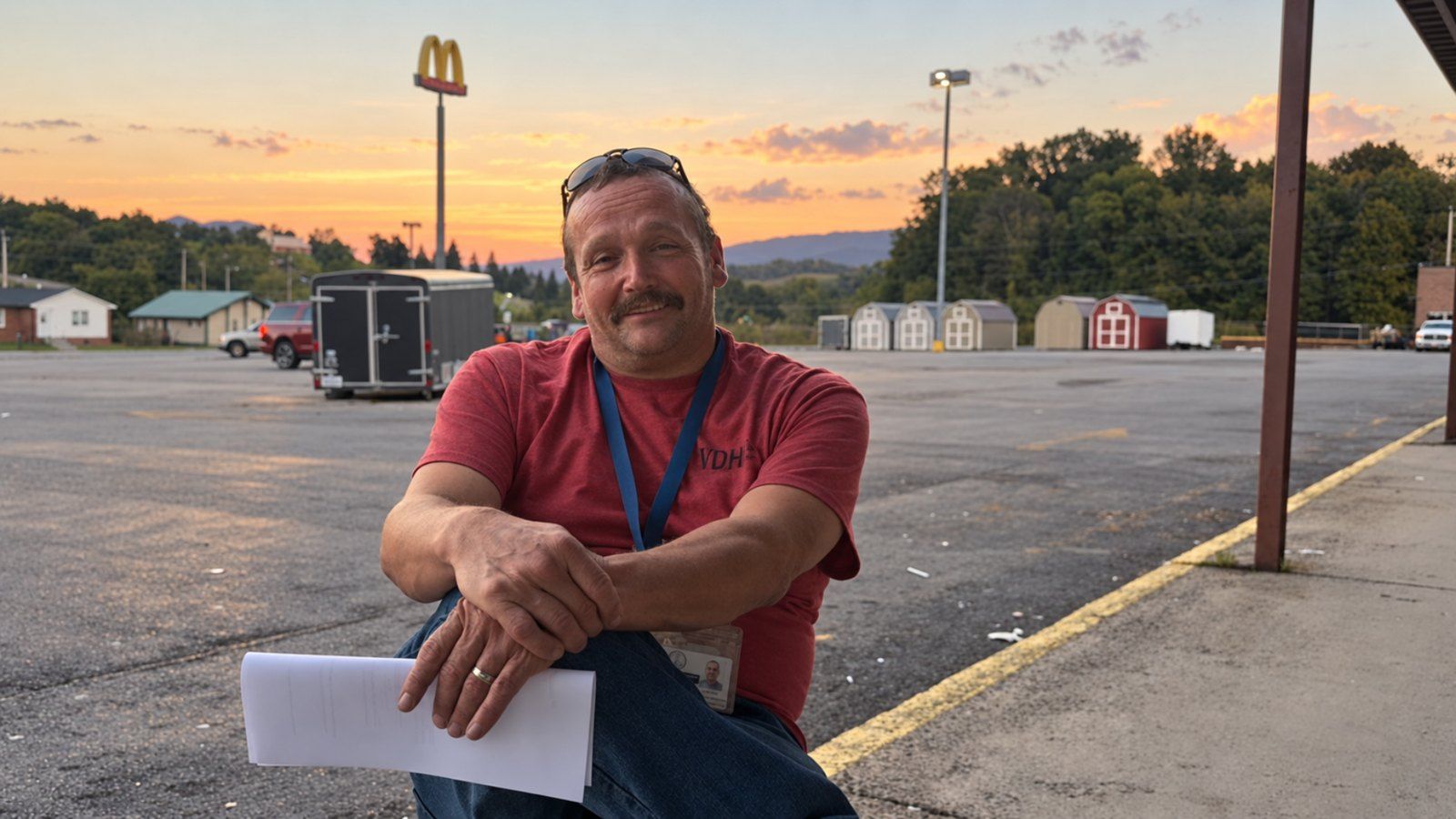
For Cecil Peck, a birth center here isn't an abstraction — it's a vision rooted in heritage, recovery, and care close to home.
Read the storyDo you have a story of midwifery or community birth in Southwest Virginia — a grandmother who caught babies, a home birth passed down in family memory, a midwife who mattered? We'd love to hear it, and with your permission we may share it as part of this project.